Correlations With Voting Labour 2020

VariableVoting Labour 2020
Working in healthcare or social assistance0.445
Working in other services0.402
Working in public administration or safety0.356
Own or part own house0.348
Voting The Opportunities Party 20200.334
Percentage of voting age population enrolled0.294
Voting Greens 20200.293
Receiving income from Supported Living Payment0.284
Turnout rate0.275
Following Christianity0.273
Aged 85+0.272
Aged 80-840.270
Divorced/separated/widowed0.261
Not in the labour force0.256
Voting Social Credit 20200.253
Voting ONE Party 20200.246
Working as a clerical or administrative worker0.246
Not studying0.244
Working in retail trade0.232
Pacific Islander0.230
Following Spiritualism or a New Age religion0.226
Working as a technician or trades worker0.222
Receiving income from NZ Super or Veteran’s pension0.217
Aged 75-790.211
Following Islam0.207
Personal income $20,000-$30,0000.205
Aged 70-740.198
Aged 55-590.182
Following Hinduism0.176
Aged 60-640.172
Doctorate0.172
Aged 65-690.170
Enrolled in an urban electorate0.168
Percentage of females in electorate0.150
Personal income $30,000-$50,0000.139
Voting New Conservative 20200.134
Working in education or training0.123
Personal income $10,000-$20,0000.119
Working as a sales worker0.114
Working as a community or personal services worker0.108
European0.108
Working as a professional0.102
Aged 50-540.101
Working in electricity, gas, water or waste services0.097
Receiving income from Student Allowance0.085
Working in information media or telecommunications0.066
Level 6 diploma0.062
Aged 40-440.061
No NZQA qualifications0.060
Voting New Zealand First 20200.059
Working as a machinery operator or driver0.059
Object to answering how many children0.056
Percentage of electorate overseas-born0.049
Part time study0.044
Honours degree0.042
Aged 45-490.037
Receiving income from interest, dividends, rent, other investments0.034
Married (not separated)0.033
Aged 35-390.028
Voting Sustainable NZ 20200.025
Currently unpartnered0.023
Personal income $50,000-$70,0000.021
Receiving wage or salary0.019
No children0.017
Working in administrative or support services0.011
Voting NZ Outdoors Party 20200.008
Master’s degree0.008
Three children0.006
Four children-0.005
Aged 30-34-0.006
Level 3 certificate-0.007
Two children-0.007
One child-0.012
Working in transport, postal or warehousing-0.015
Aged 20-24-0.018
Level 4 certificate-0.019
Median age-0.019
Following Buddhism-0.021
Currently partnered-0.023
Working in construction-0.025
Mean age-0.027
Working in mining-0.032
Working in financial or insurance services-0.039
Asian-0.040
Five children-0.044
Level 2 certificate-0.047
Six or more children-0.049
Percentage of electorate New Zealand-born-0.050
Working in professional, scientific or technical services-0.052
Working in manufacturing-0.052
Level 1 certificate-0.052
Personal income $5,000-$10,000-0.060
Bachelor’s degree-0.061
Working as a labourer-0.061
Aged 25-29-0.068
Unemployed-0.077
Receiving income from Jobseeker Support-0.086
Special voting Yes for euthanasia-0.092
Receiving income from ACC or private work insurance-0.093
Working in accommodation or food services-0.103
Special voting Yes for cannabis-0.113
Never married-0.117
Voting ACT 2020-0.120
Employed part-time-0.128
Personal income < $5,000-0.136
Personal income $70,000+-0.141
Level 5 diploma-0.149
Employed full-time-0.150
Percentage of males in electorate-0.151
Receiving income from Sole Parent Support-0.157
Working in arts or recreation services-0.160
Voting National 2020-0.160
Following Judaism-0.162
Voting Heartland NZ 2020-0.165
Receiving no source of income-0.181
Voting Advance NZ 2020-0.191
Working in wholesale trade-0.192
Neither ownership of house nor house in family trust-0.204
Voting TEA Party 2020-0.213
Following no religion-0.214
Working in agriculture, forestry or fishing-0.228
Enrolled in a North Island electorate-0.230
Voting Vision NZ Party 2020-0.235
Own house in family trust-0.257
Full time study-0.261
Receiving income from self-employment or owning one’s own business-0.262
Median personal income-0.268
Voting ALCP 2020-0.269
Following a Maori religion-0.290
Mean personal income-0.296
Maori-0.334
Working in rental, hiring or real estate services-0.362
Voting Maori Party 2020-0.370
Enrolled in a Maori electorate-0.392
Working as a manager-0.422

*

This article is an excerpt from the upcoming 3rd Edition of Understanding New Zealand, by Dan McGlashan and published by VJM Publishing. Understanding New Zealand is the comprehensive guide to the demographics and voting patterns of the New Zealand people.

Correlations With Turnout Rate In 2020

VariableTurnout rate in 2020
European0.833
Receiving income from interest, dividends, rent, other investments0.825
Voting ACT 20200.807
Level 6 diploma0.734
Voting National 20200.692
Receiving income from self-employment or owning one’s own business0.682
Own or part own house0.679
Aged 55-590.674
Aged 60-640.655
Aged 75-790.654
Aged 70-740.653
Aged 85+0.647
Aged 65-690.641
Aged 80-840.639
Receiving income from NZ Super or Veteran’s pension0.636
Aged 50-540.630
Voting The Opportunities Party 20200.625
Own house in family trust0.623
Not studying0.587
Currently partnered0.572
Working as a manager0.562
Two children0.560
Aged 45-490.541
Voting Sustainable NZ 20200.529
Voting New Conservative 20200.524
Employed part-time0.523
Married (not separated)0.493
Following no religion0.482
Personal income $70,000+0.453
Mean age0.441
Honours degree0.419
Doctorate0.416
Median age0.404
Voting Greens 20200.385
Special voting Yes for euthanasia0.366
Voting Social Credit 20200.338
Three children0.337
Following Spiritualism or a New Age religion0.326
Mean personal income0.305
Divorced/separated/widowed0.304
Working as a professional0.296
Personal income $50,000-$70,0000.282
Voting NZ Outdoors Party 20200.277
Voting Labour 20200.275
Master’s degree0.270
Aged 40-440.265
Median personal income0.261
Percentage of voting age population enrolled0.259
Working in rental, hiring or real estate services0.250
Working in professional, scientific or technical services0.246
Following Judaism0.222
Working in agriculture, forestry or fishing0.202
Bachelor’s degree0.197
Working in arts or recreation services0.194
Working in other services0.192
Personal income $20,000-$30,0000.162
Working in public administration or safety0.156
Working in mining0.138
Working in healthcare or social assistance0.117
Voting New Zealand First 20200.101
Employed full-time0.097
Working in financial or insurance services0.088
Voting Heartland NZ 20200.061
Working in accommodation or food services0.054
Percentage of females in electorate0.044
Working in retail trade0.039
Percentage of electorate overseas-born0.032
Working in education or training0.030
Working in information media or telecommunications0.028
Working as a technician or trades worker0.014
Level 1 certificate0.010
Not in the labour force0.006
No children-0.026
Voting ONE Party 2020-0.032
Percentage of electorate New Zealand-born-0.032
Working in construction-0.035
Percentage of males in electorate-0.044
Aged 35-39-0.069
Part time study-0.080
Living in an urban electorate-0.093
Working in electricity, gas, water or waste services-0.094
Level 2 certificate-0.095
Level 4 certificate-0.099
Following Buddhism-0.100
Receiving income from ACC or private work insurance-0.126
Working as a clerical or administrative worker-0.139
Aged 30-34-0.154
Voting Advance NZ 2020-0.161
Special voting Yes for cannabis-0.169
Receiving wage or salary-0.187
Personal income $30,000-$50,000-0.188
Asian-0.198
Following Christianity-0.198
Four children-0.213
Receiving income from Student Allowance-0.215
Aged 25-29-0.231
Personal income $10,000-$20,000-0.234
Voting TEA Party 2020-0.238
Level 5 diploma-0.252
Aged 20-24-0.259
Following Hinduism-0.290
Working in wholesale trade-0.295
Working as a labourer-0.299
No NZQA qualifications-0.301
Following Islam-0.320
Living in a North Island electorate-0.326
Working as a community or personal services worker-0.326
Working as a sales worker-0.352
One child-0.385
Receiving income from Supported Living Payment-0.386
Working in manufacturing-0.404
Personal income $5,000-$10,000-0.432
Level 3 certificate-0.487
Voting ALCP 2020-0.524
Never married-0.538
Currently unpartnered-0.572
Five children-0.580
Object to answering how many children-0.590
Full time study-0.611
Working as a machinery operator or driver-0.614
Following a Maori religion-0.620
Pacific Islander-0.628
Working in administrative or support services-0.664
Maori-0.666
Voting Vision NZ Party 2020-0.677
Receiving no source of income-0.688
Enrolled in a Maori electorate-0.690
Voting Maori Party 2020-0.690
Working in transport, postal or warehousing-0.692
Personal income < $5,000-0.701
Six or more children-0.739
Receiving income from Jobseeker Support-0.744
Receiving income from Sole Parent Support-0.771
Unemployed-0.774
Neither ownership of house nor house in family trust-0.786

*

This article is an excerpt from the upcoming 3rd Edition of Understanding New Zealand, by Dan McGlashan and published by VJM Publishing. Understanding New Zealand is the comprehensive guide to the demographics and voting patterns of the New Zealand people.
Correlations With Voting ALCP In 2020

VariableVoting ALCP 2020
Maori0.881
Living in a Maori electorate0.865
Voting Maori Party 20200.807
Receiving income from Sole Parent Support0.770
Receiving income from Jobseeker Support0.766
Following a Maori religion0.718
Receiving income from ACC or private work insurance0.699
Percentage of electorate New Zealand-born0.695
Voting Advance NZ 20200.684
Level 2 certificate0.636
Unemployed0.635
Five children0.620
Working as a labourer0.589
Six or more children0.583
Personal income $10,000-$20,0000.581
Working as a community or personal services worker0.566
No NZQA qualifications0.550
Receiving income from Supported Living Payment0.550
Level 1 certificate0.545
Level 4 certificate0.528
Voting Vision NZ Party 20200.513
Four children0.507
Never married0.482
Full time study0.443
Currently unpartnered0.393
Voting New Zealand First 20200.381
Level 3 certificate0.375
Working as a machinery operator or driver0.370
Level 5 diploma0.365
Working in construction0.364
Working in transport, postal and warehousing0.352
Following Spiritualism or a New Age religion0.347
Personal income $20,000-$30,0000.332
Voting ONE Party 20200.329
Neither ownership of house nor house in family trust0.320
Following no religion0.285
Working in manufacturing0.268
Working in agriculture, forestry or fishing0.257
Working in electricity, gas, water and waste services0.255
Personal income $5,000-$10,0000.249
Special voting Yes for cannabis0.233
Personal income $30,000-$50,0000.229
Working as a technician or trades worker0.206
Working in mining0.201
Mean age0.167
Divorced/separated/widowed0.161
Three children0.154
Median age0.149
Working in administrative and support services0.134
Voting NZ Outdoors Party 20200.134
Employed part-time0.116
Part time study0.106
Percentage of males in electorate0.070
Working in healthcare and social assistance0.040
Working in other services0.033
Receiving income from Student Allowance0.029
Voting Social Credit 20200.022
Working in accommodation or food services0.020
Working in retail trade0.016
Personal income < $5,0000.011
Receiving wage or salary-0.003
Aged 20-24-0.008
Working in public administration or safety-0.016
Voting Heartland NZ 2020-0.025
Not in the labour force-0.032
Working in arts and recreation services-0.038
Living in a North Island electorate-0.039
Pacific Islander-0.052
Receiving no source of income-0.057
Working in education or training-0.064
Percentage of females in electorate-0.071
European-0.080
Aged 25-29-0.089
Working as a sales worker-0.138
Own or part own house-0.186
No children-0.192
Receiving income from NZ Super or Veteran’s pension-0.193
One child-0.202
Voting Greens 2020-0.228
Aged 65-69-0.230
Employed full-time-0.249
Aged 55-59-0.250
Aged 30-34-0.250
Mean personal income-0.255
Aged 70-74-0.261
Voting Labour 2020-0.269
Aged 60-64-0.274
Median personal income-0.275
Aged 75-79-0.301
Special voting Yes for euthanasia-0.312
Voting New Conservative 2020-0.312
Working as a manager-0.313
Voting The Opportunities Party 2020-0.338
Working in wholesale trade-0.338
Aged 80-84-0.338
Receiving income from self-employment or owning one’s own business-0.345
Following Christianity-0.352
Personal income $50,000-$70,000-0.358
Working as a clerical or administrative worker-0.359
Working in information media and telecommunications-0.369
Two children-0.380
Working in rental, hiring and real estate services-0.383
Voting TEA Party 2020-0.383
Living in an urban electorate-0.388
Currently partnered-0.393
Following Judaism-0.395
Aged 85+-0.403
Following Islam-0.405
Voting Sustainable NZ 2020-0.406
Aged 35-39-0.410
Aged 50-54-0.410
Following Hinduism-0.414
Not studying-0.431
Aged 40-44-0.433
Doctorate-0.445
Working in financial or insurance services-0.446
Aged 45-49-0.465
Percentage of voting age population enrolled-0.470
Own house in family trust-0.472
Voting ACT 2020-0.476
Working as a professional-0.478
Working in professional, scientific or technical services-0.490
Personal income $70,000+-0.513
Turnout rate-0.524
Master’s degree-0.529
Asian-0.530
Honours degree-0.550
Level 6 diploma-0.557
Bachelor’s degree-0.564
Following Buddhism-0.566
Receiving income from interest, dividends, rent, other investments-0.580
Voting National 2020-0.597
Married (not separated)-0.606
Percentage of electorate overseas-born-0.695

*

This article is an excerpt from the upcoming 3rd Edition of Understanding New Zealand, by Dan McGlashan and published by VJM Publishing. Understanding New Zealand is the comprehensive guide to the demographics and voting patterns of the New Zealand people.
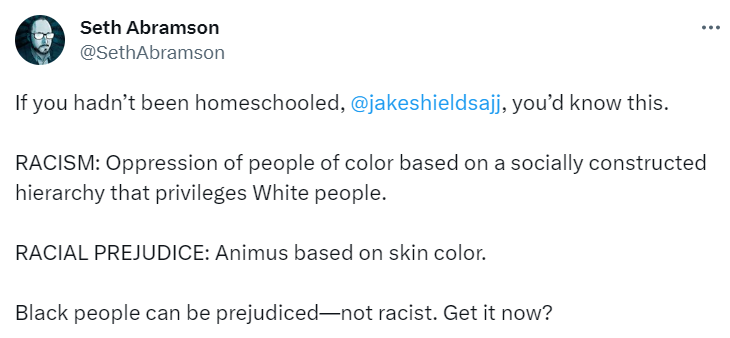
Newspeak in 2023

In 1984, the purpose of Newspeak was to make anti-government thoughts impossible. The logic was that if people were prevented by language from talking about opposing the government, they’d also be prevented from thinking about it. Being unable to think about opposing the government, they’d make perfect slaves.

In the West of 2023, our rulers have forced a form of Newspeak on us. As in 1984, the purpose of it is to make dissent impossible. The major difference is that, in our world, Newspeak works by confusing and corrupting existing definitions of words. This has the effect of making communication impossible, and thereby making resistance impossible.

The word ‘racist’ is the classic example of twisted definitions. The word used to refer to people with racial prejudice, who expressed contempt for others for no other reason than their race. But over time, as people displayed a willingness to submit to those shrieking racist, the definition expanded. Today some will argue that the term can only refer to white people.

Ther term ‘racist’ is now so overused that you can be called racist for resisting racism, such as if you say ‘It’s Okay To Be White’. ‘It’s Okay To Be White’ is an explicitly anti-racist statement, used primarily by working-class whites in response to comments such as that of Marama Davidson. That it can be considered racist shows that words (and phrases) can be twisted to their exact opposites in the Newspeak of 2023.

‘Nazi’ is a related example. Originally used to refer to members of the German NSDAP of 1920-1945, it’s now so overused that any nationalist or anti-globalist sentiments are written off as Nazi ones. Today, almost any unfashionable opinion attracts cries of Nazism.

As with racist, a person can explicitly decry Nazism, to the extent of listing multiple grievances with the doctrine, and still get accused of being a Nazi. Trying to distinguish between the nationalist aspects of Nazism and the totalitarian aspects is not permitted. To do so is to become a “Nazi apologist”.

‘Far right’ relates to the above examples. Logically, if the right-wing is capitalist then the far-right ought to refer to hypercapitalist neoliberals like the ACT Party. Bizzarely, however, those described as far-right today are primarily working-class nationalists, whose main complaint is often the corporate importation of cheap labour. Somehow the right-wing are corporates while the far-right is anti-corporate.

‘Nation’ no longer means a population united by ties of blood and soil, as it has always meant. In the Newspeak of 2023, national ties are just like masks that a person puts on and takes off as needed. Anyone can claim to be of any nationality. The dumbing-down of language has obscured the difference between roots citizens and paper citizens. All are considered part of one big club, defined not by Nature but by the Government.

‘Disinformation’ now means ‘anything said by someone the Government doesn’t like’. This has been made evident by the New Zealand Government’s Disinformation Project, which serves as a Ministry of Truth, smearing anyone who speaks out against the ruling class. Enemies of the Government, in Newspeak, are incapable of speaking the truth. Everything they say is either disinformation, misinformation or malinformation.

‘The economy’ now means ‘the interests of international banking and finance’. It doesn’t have anything to do with the material needs of the nation being met. Today’s Newspeak will claim that the economy is doing well because unemployment is low, and will ignore the fact that most of those jobs don’t pay enough for the workers to own homes and raise families.

It doesn’t matter if people can raise families, because, as per the Newspeak definition of nation, the nation doesn’t need families. It can just import them from overseas, and as long as the GDP goes up it’s all good. Herein it can be seen that the Newspeak of 2023 is a form of neoliberal totalitarianism, unlike the national socialist and communist forms of totalitarianism in surface ways, but like them in fundamental ways.

‘Conspiracy theorist’, heard often in the mainstream media of 2023, is classic Newspeak. It’s another term for wrongthinker, denoting someone who is outside of society, a memetic outlaw. Even though human history is a parade of conspiracies, one after the other, anyone who notices a conspiracy in 2023 is equated with the severely mentally ill. ‘Conspiracy theorist’, in 2023 speak, is a synonymn for ‘schizophrenic’, i.e. a person whose paranoia leads them to see things that aren’t there.

There’s a reason why Confucius said that, if he were to be offered power, the first thing he would do would be the “rectification of names” i.e. he would make sure that words had accurate, commonly-understood meanings again. Newspeak was a thing in ancient China just as it was in 1984, and just as it is in 2023. Wherever you have totalitarianism, you have centralised attempts to control expression.

“In the end we shall make thought-crime literally impossible, because there will be no words in which to express it,” Orwell wrote. In 2023 thoughtcrime has been made impossible by the fact that each of us has been trapped in a silo of language, where communication is crippled by an absence of common understanding of the words we are using.

The Newspeak of 2023 has twisted all language, not to the service of Big Brother, but to globohomo – the alliance of globalist capitalism and globalist communism that has forced neoliberalism on the populations of the West. It’s no longer a sure thing that, when a person uses a particular word, that their audience will understand the intended meaning of that word. And so, we’re too confused to resist our ruling classes.

*

If you enjoyed reading this essay/article, you can get a compilation of the Best VJMP Essays and Articles from 2021 from Amazon as a Kindle ebook or paperback. Compilations of the Best VJMP Essays and Articles of 2020, the Best VJMP Essays and Articles of 2019, the Best VJMP Essays and Articles of 2018 and the Best VJMP Essays and Articles of 2017 are also available.

*

If you would like to support our work in other ways, subscribe to our SubscribeStar fund, or make a donation to our Paypal! Even better, buy any one of our books!