
The Misuse of Drugs Act was introduced in 1975, a response to President Richard Nixon’s declaration of a War on Drugs in June 1971. These two moves were the end result of decades of puritanical hysteria around altered states of consciousness. This hysteria began with alcohol prohibition and, after the popularisation of psychedelics in the 1960s, reached a peak.
New Zealand, ever the kid brother of the Anglosphere, followed mindlessly along with America in making almost every drug illegal. It’s crazy to have a drugs policy where booze is the only recreational option, but thanks to Christian moralism, atheist fear of the psyche and general ignorance and hysteria, that’s what we ended up with. This essay is an attempt to describe what a sane, rational drug policy would look like, if anyone in power was ever incentivised to bring one in.
The sane and rational place to begin is with the research of Professor David Nutt, the world’s foremost expert on relative drug harms. He has developed a set of criteria for measuring drug harm using an analysis technique called multiple criteria decision analysis, or MCDA. Resulting from Nutt’s research is a scale of relative drug harm, outlined at length in books such as Drugs: Without The Hot Air. In theory, a science-based scale like this should be the foundation of an intelligent drug law.
The scale of relative drug harm varies depending on local factors, so that it’s not possible to apply one uniform scale to all countries. For example: in New Zealand and Australia, a lot more damage is done by methamphetamine than by crack cocaine. It’s the other way around in American inner cities. In any case, it’s possible to draw many valuable insights from Nutt’s analysis.
My sane and rational drug policy would declare that Western culture has already managed to handle alcohol and its effects. There are pubs all over the West and yet our culture has not collapsed. Countless movies, songs, books and plays are full of alcohol references, and yet society has not degenerated (at least not from alcohol). This makes alcohol a baseline to which other drugs can be compared.
Any drug more dangerous than alcohol would remain illegal as it currently is. This would include methamphetamine, crack cocaine and heroin. People involved with importing or manufacturing these drugs would still face severe legal penalties.
Any drug less dangerous than alcohol would become legal with some degree of regulation. The difficulty here, of course, is that a wide range of drugs fall into this category. Most drugs are much less harmful than alcohol and each would need a bespoke legal schedule. Sane and rational people ought to be able to cope with this.
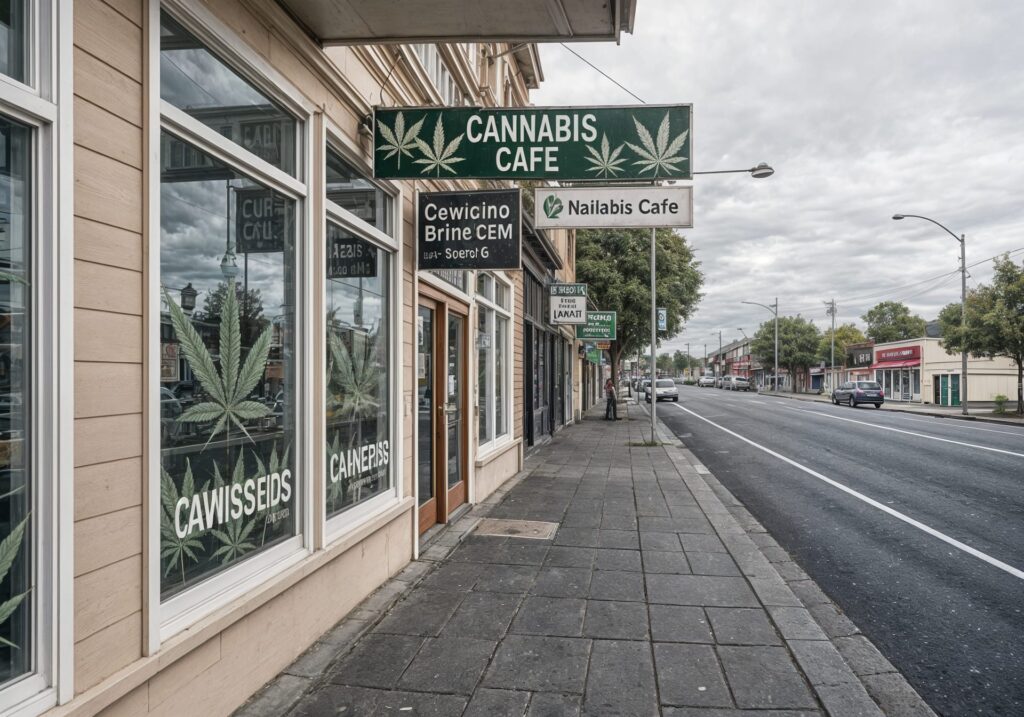
The truly less dangerous drugs, such as cannabis, should be relatively easy to deal with. Cannabis cafes can be legalised along the lines of existing pubs. There is already precedent for this model with the cannabis cafes of the Netherlands and Colorado. Cannabis doesn’t cause people to become aggressive or violent and so doesn’t need to be managed strictly like alcohol does.
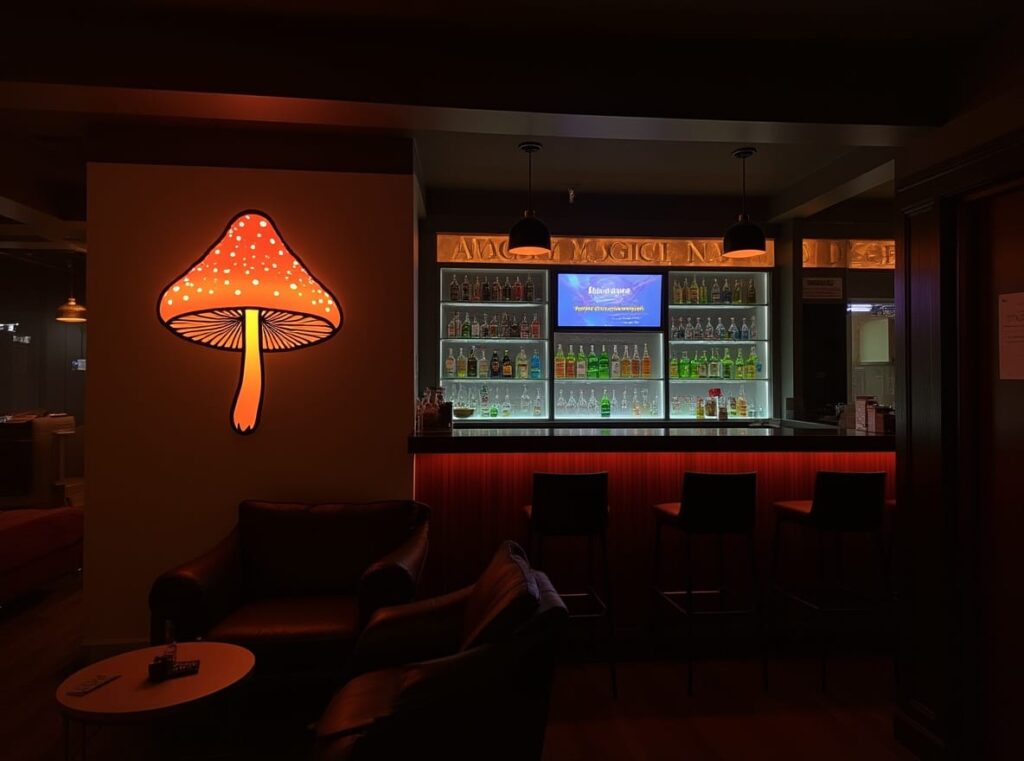
Because of the low risk associated with MDMA, specialist MDMA lounges should also be possible. It will also be possible therein to hear music that is different to the usual Boomer rock that one hears at pubs. These lounges will likely target those more interested in a rave-style experience than a booze-up. Those selling MDMA at such venues will be legally tasked with ensuring that their patrons are not harming themselves through excess or irresponsible use.
Psychedelics are also not considered particularly dangerous by Professor Nutt. In fact, magic mushrooms and LSD are among the least harmful of all the drugs surveyed (Nutt’s MCDA doesn’t consider mescaline and ayahuasca, which are more American drugs). A psychedelic policy might involve sale from pharmacies only, with no venue sales. It might involve legal home mushroom grows. In any case, it would abolish any requirement that psychedelics can only be taken under medical supervision, indoors, during working hours.
Opium is less dangerous than alcohol, according to David Nutt, and therefore this policy would include legal opium. However, this would be highly restricted owing to its unfamiliarity to Western culture. The correct degree of regulation here might involve opium lounges akin to private clubs, which would be more discreet than pubs or cannabis cafes (i.e. they would only admit members).
Users of regular amphetamines might not want to use them in public, so this might be another case where the pharmacy-only model would be superior to an alcohol-style pub and club model.
All of these regulations would potentially also include the usual provisions for not selling drugs near schools, not using a motor vehicle while high, not using drugs in public etc.
Therefore, my proposed Drug War Armistice policy would not (at least, not initially) change the legal status of methamphetamine, crack cocaine or heroin. But it would change the legal status of most other drugs, on the basis that they’re all safer than alcohol, and therefore that our society can handle them. Moreover, anything less harmful than alcohol is a potential exit drug from alcohol. Thus, liberalising relatively less harmful drugs will reduce overall alcohol and/or other drug damage.
*
For more of VJM’s ideas, see his work on other platforms!
For even more of VJM’s ideas, buy one of his books!
*
If you enjoyed reading this piece, buy a compilation of our best pieces from previous years!
Best VJMP Essays and Articles of 2023
Best VJMP Essays and Articles of 2022
Best VJMP Essays and Articles of 2021
Best VJMP Essays and Articles of 2020
Best VJMP Essays and Articles of 2019
Best VJMP Essays and Articles of 2018
Best VJMP Essays and Articles of 2017
*
If you would like to support our work in other ways, make a donation to our Paypal! Even better, buy any one of our books!