If Politicians Don’t Like Binge Drinking, They Need To Legalise The Cannabis Alternative

Smoking cannabis is safer than drinking a crate, but if we’re not allowed cannabis then we’ll drink the crate

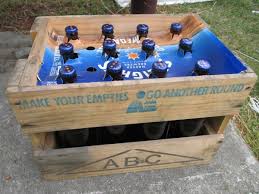
Another Crate Day, another opportunity for self-righteous old wowsers to stand up and condemn partying and having a good time. Unfortunately, New Zealand is full of these useless old bastards, and they’re as stupid as they are pompous. If our political class had any clue, they would legalise cannabis immediately so that there was a recreational alternative to alcohol.

Jonathan Coleman, the former National Health Minister who presided over the gutting of the New Zealand mental health system and the subsequent highest teen suicide rate in the world, is currently one of the most prominent. Coleman slashed funding to rape crisis centres and community crisis teams for the sake of tax cuts for the wealthy, driving many poor families into a desperation that was frequently fatal, and this week he was in the news criticising Crate Day.

Coleman said that Kiwi patterns of heavy alcohol use are “part of a past New Zealand should be leaving behind”. Binge drinking is, indeed, a remnant of the sleazy and vulgar New Zealand that many of us want to leave behind, but the political class gets the Police to put us in cages if we use any alternative to alcohol.

The vast majority of us know that cannabis is a safer alternative to alcohol, and we have been trying to tell the ruling class this ever since it was made medicinally legal in California in 1996. So why didn’t the National Party legalise it when they were in power?

There is plenty of evidence that shows that rates of binge drinking decrease when cannabis is legalised. The reasons why are obvious to anyone who thinks about it honestly: people have recreational needs that must be met otherwise mental illness will result, and getting fucked up can be one of those needs (of course the old wowsers and control freaks will never admit this).

Given a choice of different ways to get fucked up, most people will choose the healthiest way, unless they have a death wish, and this is why rates of cannabis use continue to increase in the West. When alcohol is the only option, it will have to do.

Robin Room, an Australian professor, has himself claimed that legalising cannabis is the right thing to do because there are fewer social harms associated with it than with alcohol. Pointing out something that has been long known to knowledgeable people, Professor Room has stated that the association between alcohol and violence makes it more dangerous than using cannabis ever realistically could be.

There is already ample evidence that legalising cannabis is the right thing to do from the perspective of decreasing human suffering, and if our political class had any sense they would get onto it immediately.

Coleman said “Crate Day is something, in modern New Zealand, we can do without.” What New Zealand could really do without is ignorant, arrogant, stubborn old pricks like Jonathan Coleman, who refuse to do the decent thing and admit that cannabis prohibition is an offence against the New Zealand people.

In New Zealand, Growing Cannabis is Worse Than Raping Children With No Remorse

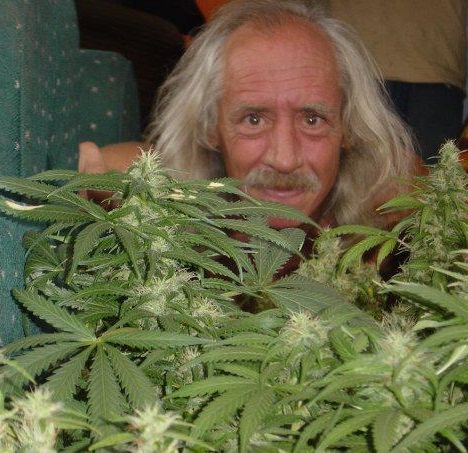
This month, Brian Borland (pictured) received a longer prison sentence for growing cannabis than Noel Edward Thomas Williams did for raping children and blackmailing their family

New Zealanders generally like to believe that they live in a fair society. We like to believe that those tasked with maintaining justice, like our District Court judges, act fairly and with compassion. But this is no longer possible if you look at how the New Zealand court system treated a man who grew an illicit medicine, compared to a literal child rapist, this month.

Brian Borland, of Daktory fame, was sentenced to four years and nine months prison for four cannabis charges earlier this month, while a few weeks later a Noel Edward Thomas Williams was sentenced to only four years in prison for literally raping a child and showing no remorse.

No Kiwi can fail to be disgusted by the absolute failure of our “justice” system to deliver anything like justice this November. Edwards was found guilty of raping a girl aged between 12 and 16 and indecently assaulting a child under 12, showed no remorse at any point and despite the judge saying “for a child this is the last thing that is wanted,” – in other words, this was the most evil thing that a man could ever do to an innocent child – he got less prison than a cannabis grower.

What’s wrong with our country when you can rape some children and blackmail them for decades, destroying them psychologically and showing no remorse even after being caught like an utter psychopath, and get less of a prison sentence than someone growing a medicinal plant?

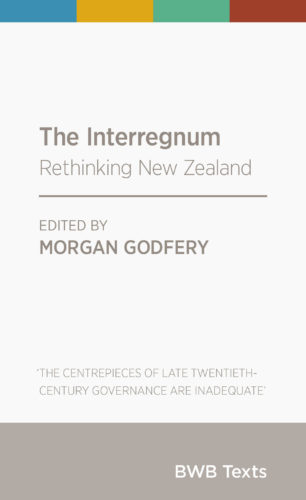
VJMP Reads: The Interregnum: Rethinking New Zealand V

This reading carries on from here.

The fifth essay in The Interregnum is ‘Welfare and Precarious Work’ by Chloe King.

Unlike the other offerings so far, this essay actually resonates with people who are working class. Instead of waffling on about climate change and other shibboleths of the global elite classes, King focuses on real issues that affect real Kiwis: poor wages, poor security of work and a pitiful excuse for a social safety net.

This essay uses anecdotal examples of young Kiwis trying to make it in a workplace that is forcing them into ever worse conditions. The nature of work in New Zealand is becoming ever more stressful as things like the 90-day firing law undermine employment security, and the essay does a good job of showing how this leads to increased rates of mental illness.

It also correctly draws attention to the cruelty of the Fifth National Government. Paula Bennett’s welfare reforms now force people seeking a benefit to fill out a 48-page form of questions – obviously a considerable challenge to the kind of person whose literacy levels place them in precarious economic positions.

King also speaks to a very real sense of outrage when she writes about how mentally ill people are often bullied back into the workforce well before they are ready – a short-sighted approach whose shortcomings become obvious when the inevitable next mental breakdown occurs.

Describing something she calls “constricted choice”, King details a very real problem in the modern workforce: our choice of jobs has increased, but the average quality of those jobs has plummeted, meaning that Kiwis are essentially forced into taking poorly paid work out of duress. The fact that we have a wide choice of crap jobs doesn’t actually make it any better.

Ultimately, King hits the bulls-eye when she states simply that “Workers deserve to be paid fairly and treated with dignity and respect.” She is right when she points out that the nature of workplace relations in New Zealand have deteriorated to the point where the emphasis is on coercing workers into obedience rather than encouraging them.

The “politics of selfishness” is a very real thing, especially in New Zealand, and King rightly points out that she’s not asking for much when she posits that “no-one should work and be poor at the same time.” It’s not much to ask for, but we’re still not getting it, and the essay concludes with a call to collective action.

In summary, Chloe King’s piece strikes much harder and more accurately at the heart of the issue than the previous efforts in this book: poor living and working conditions right here, right now, not vague threats of what might happen in 50 years’ time. It is easy to get the impression that the left is going to do much better by proposing a universal basic income than it is by going on about climate change, and so for their sake they’d do better promoting voices like King’s.